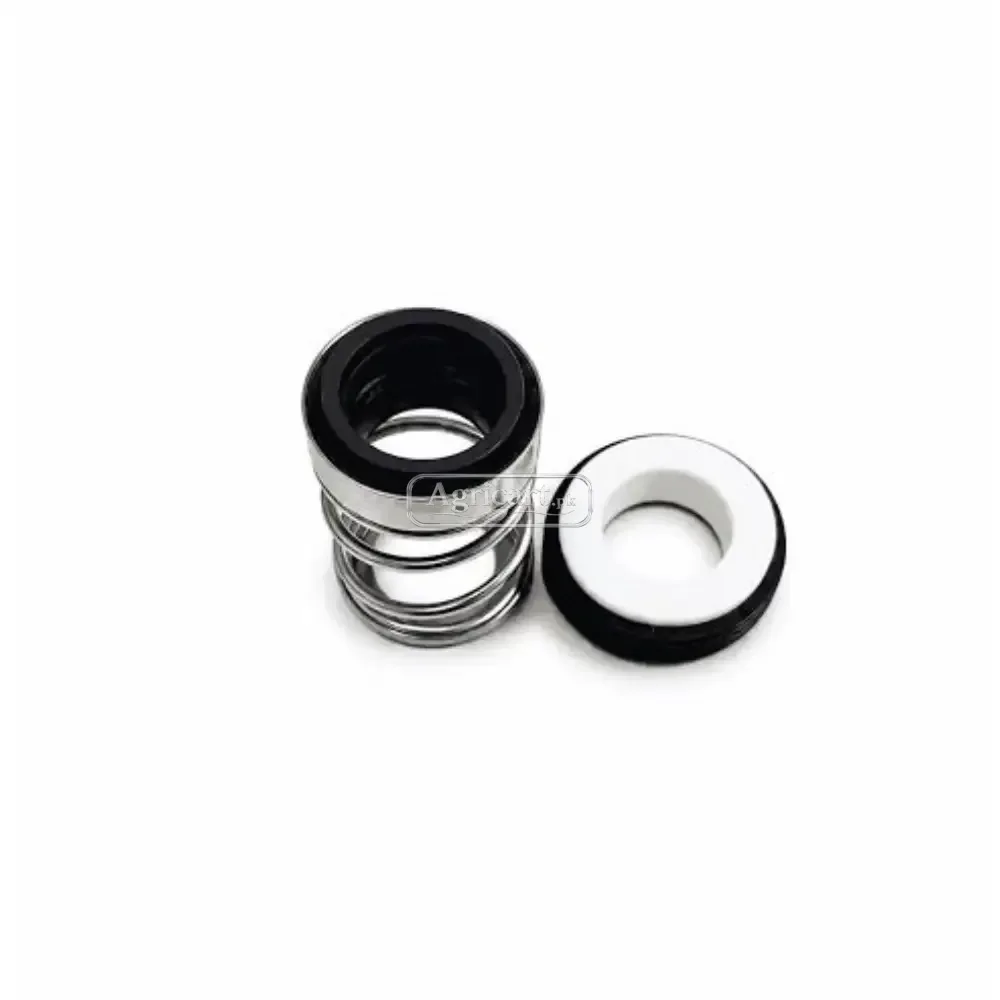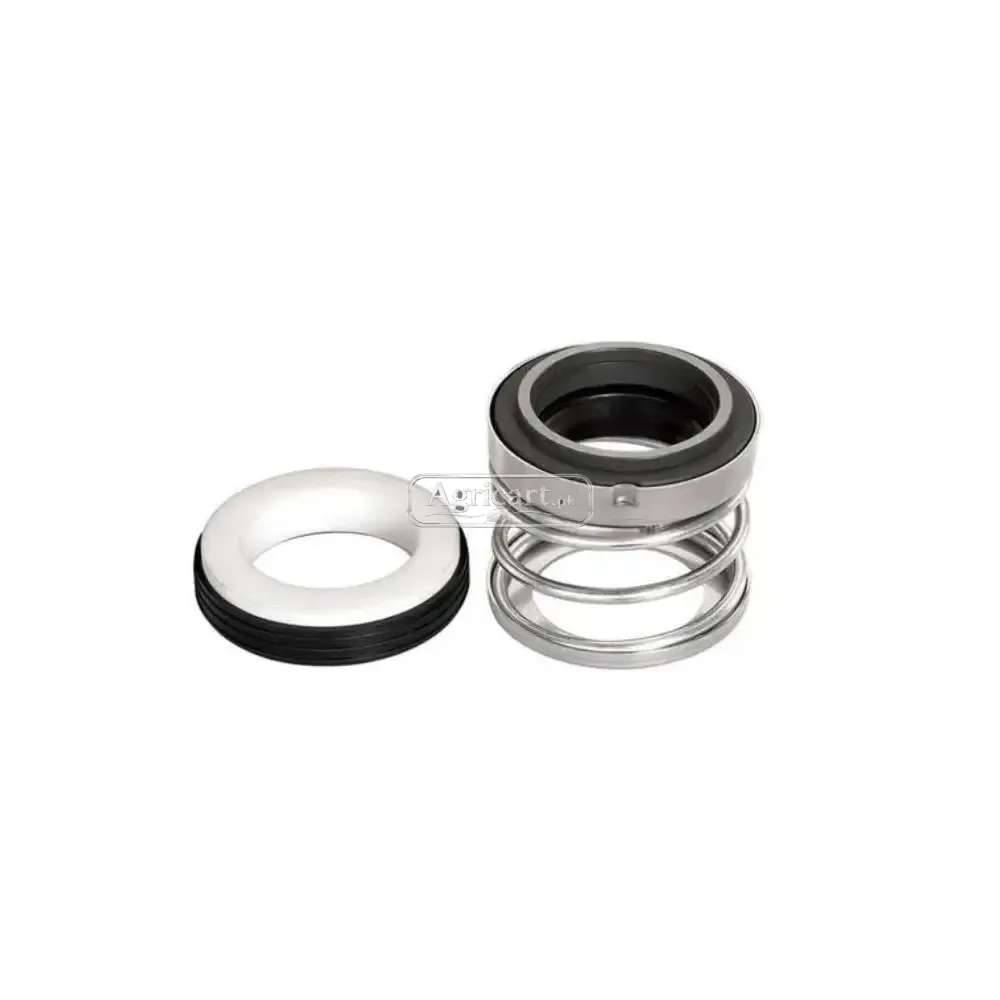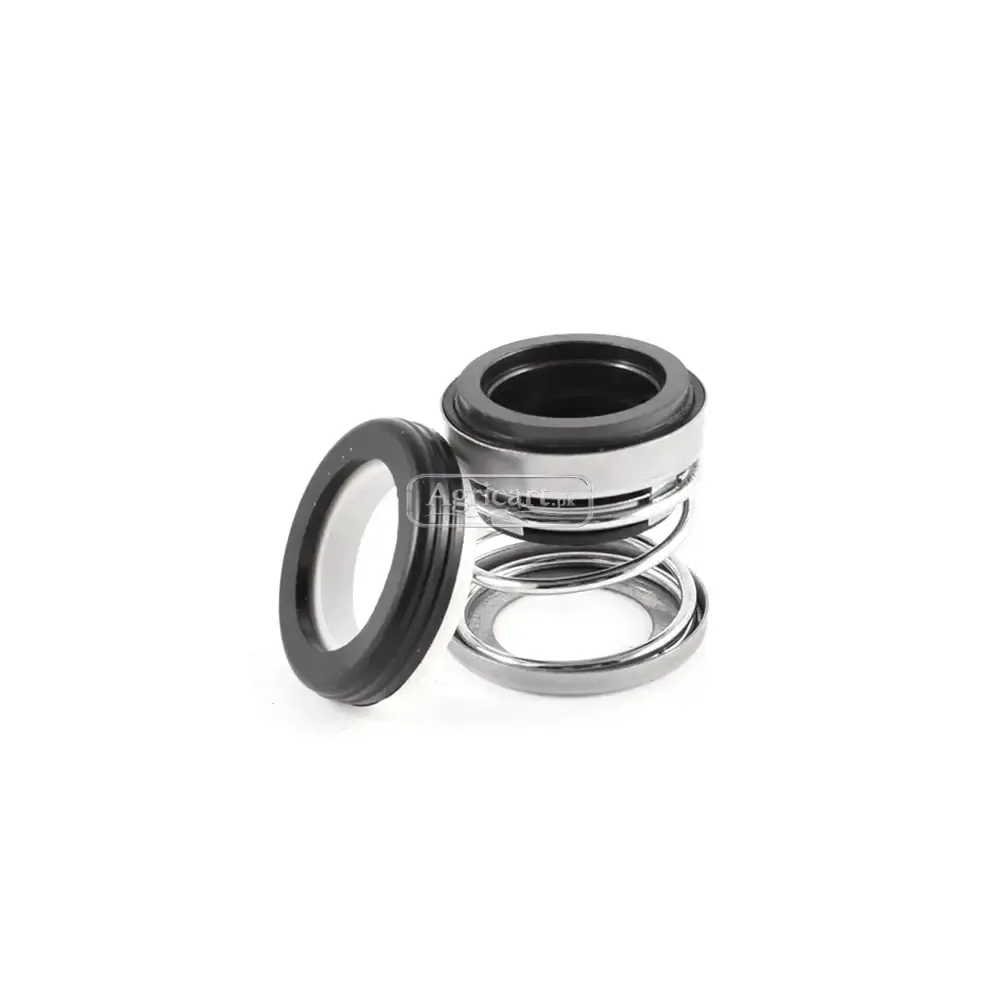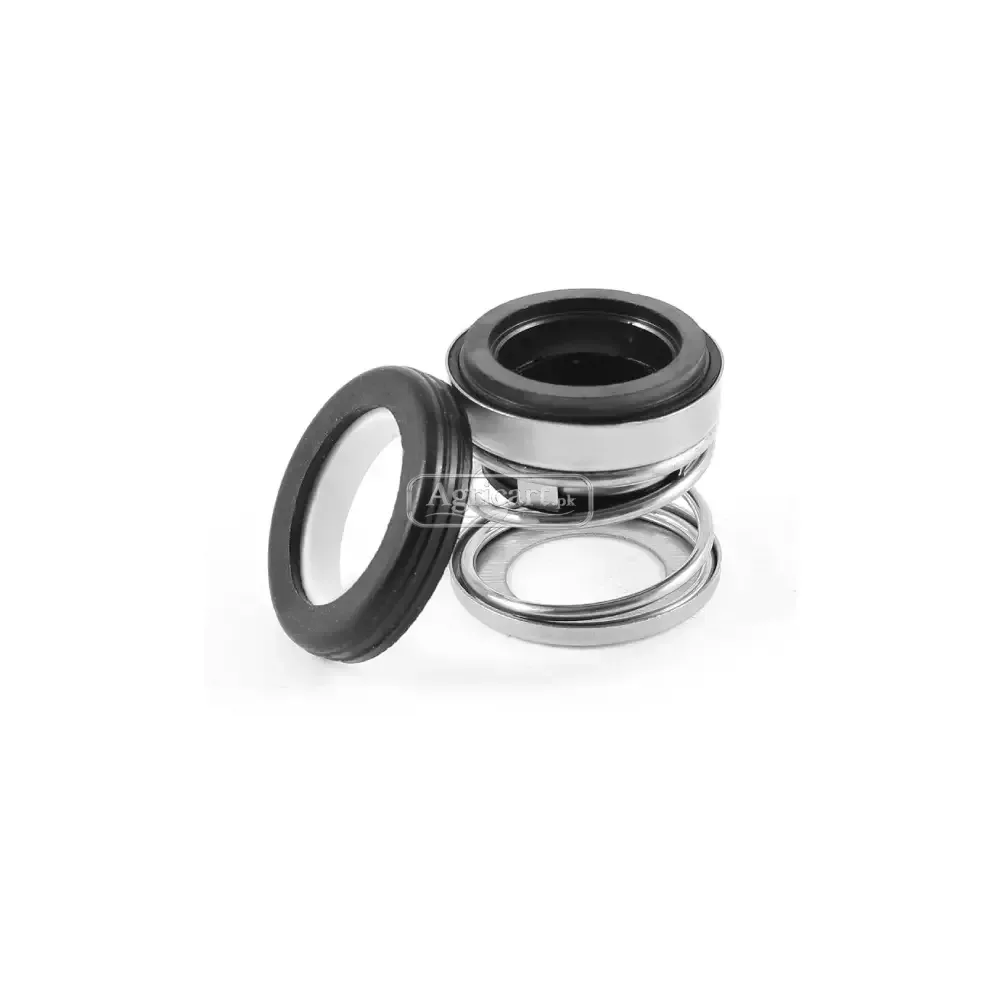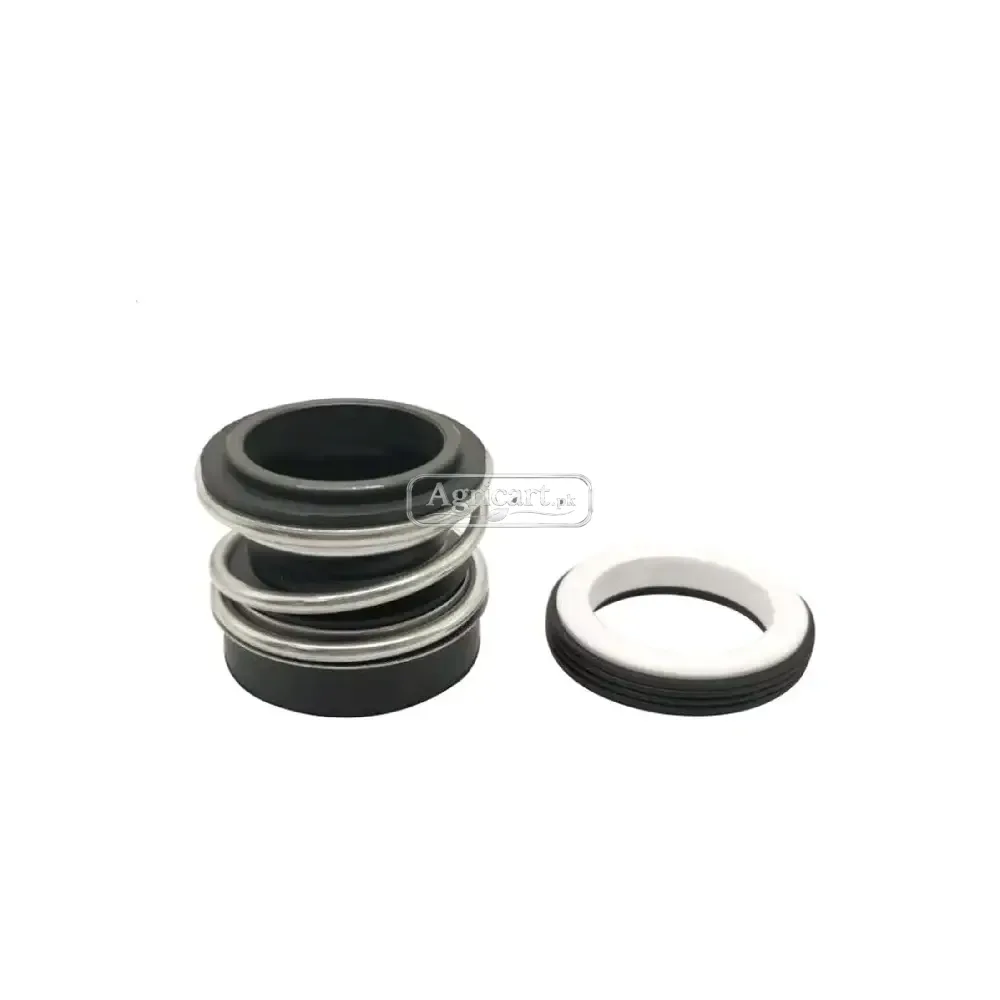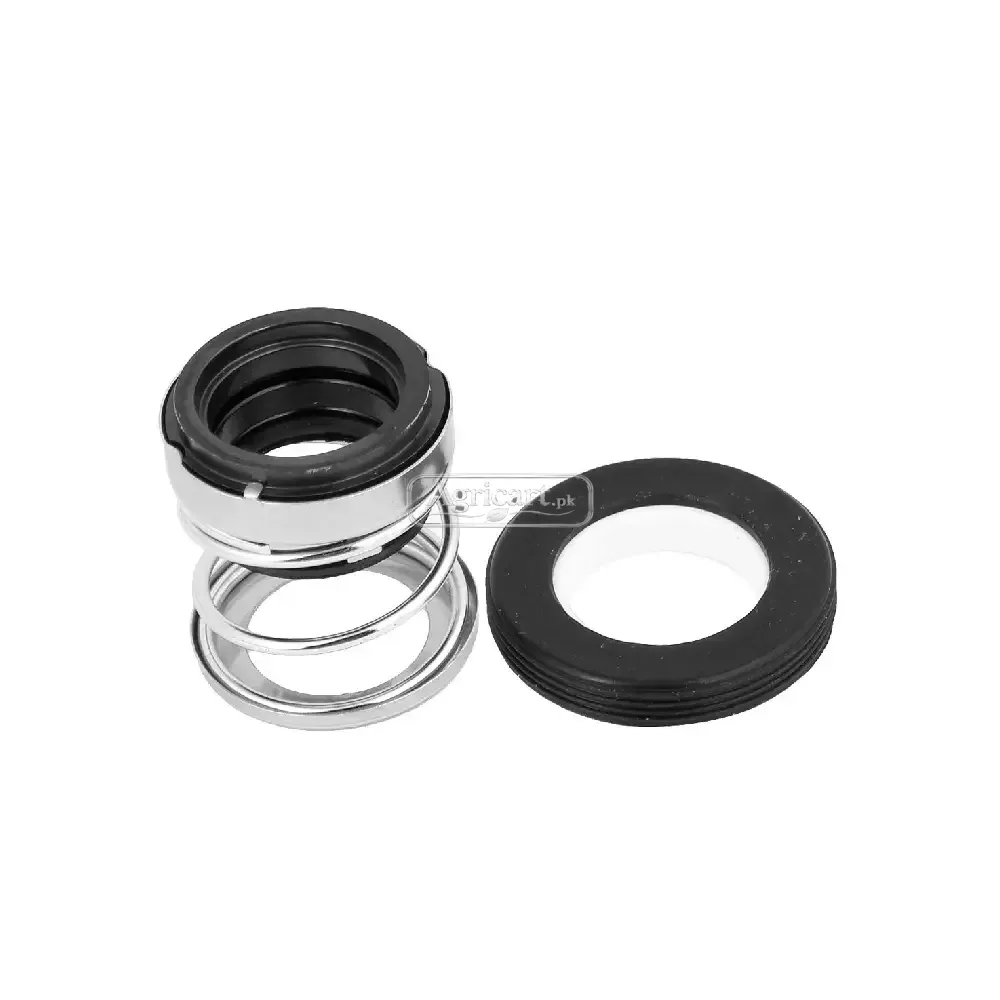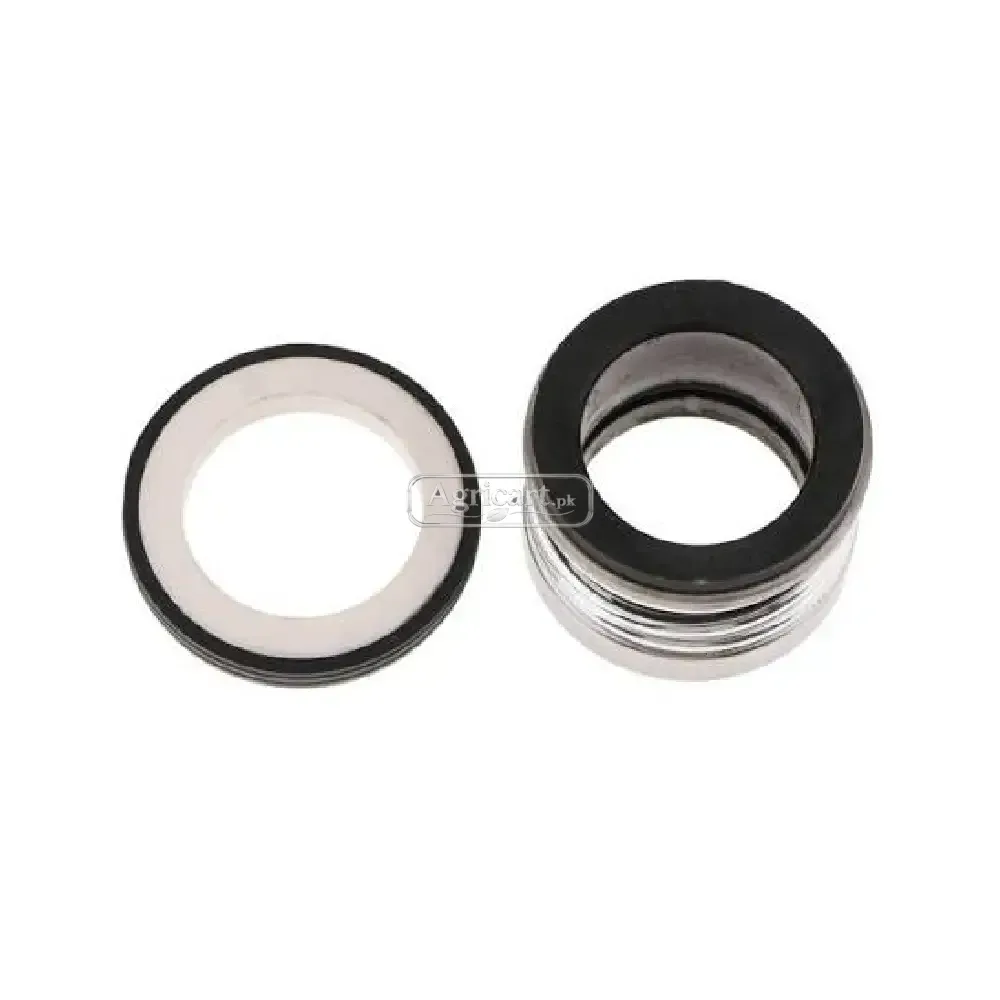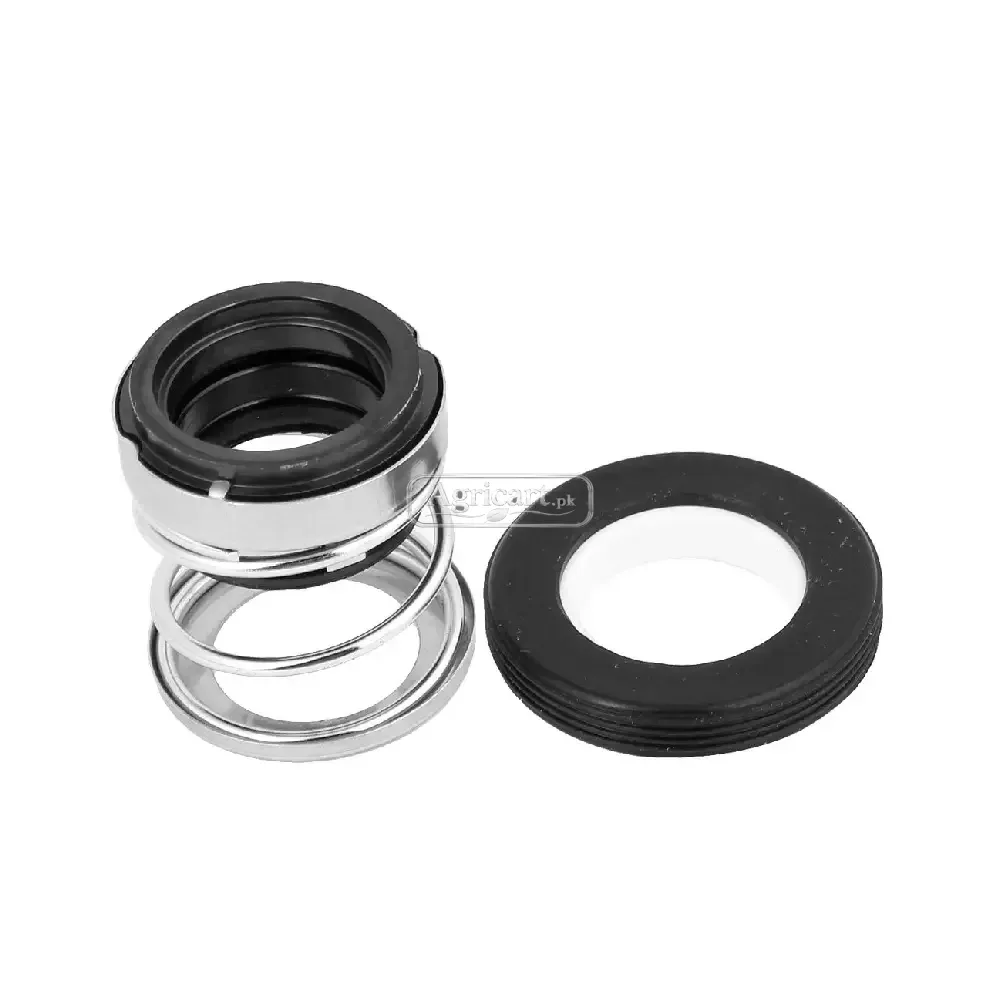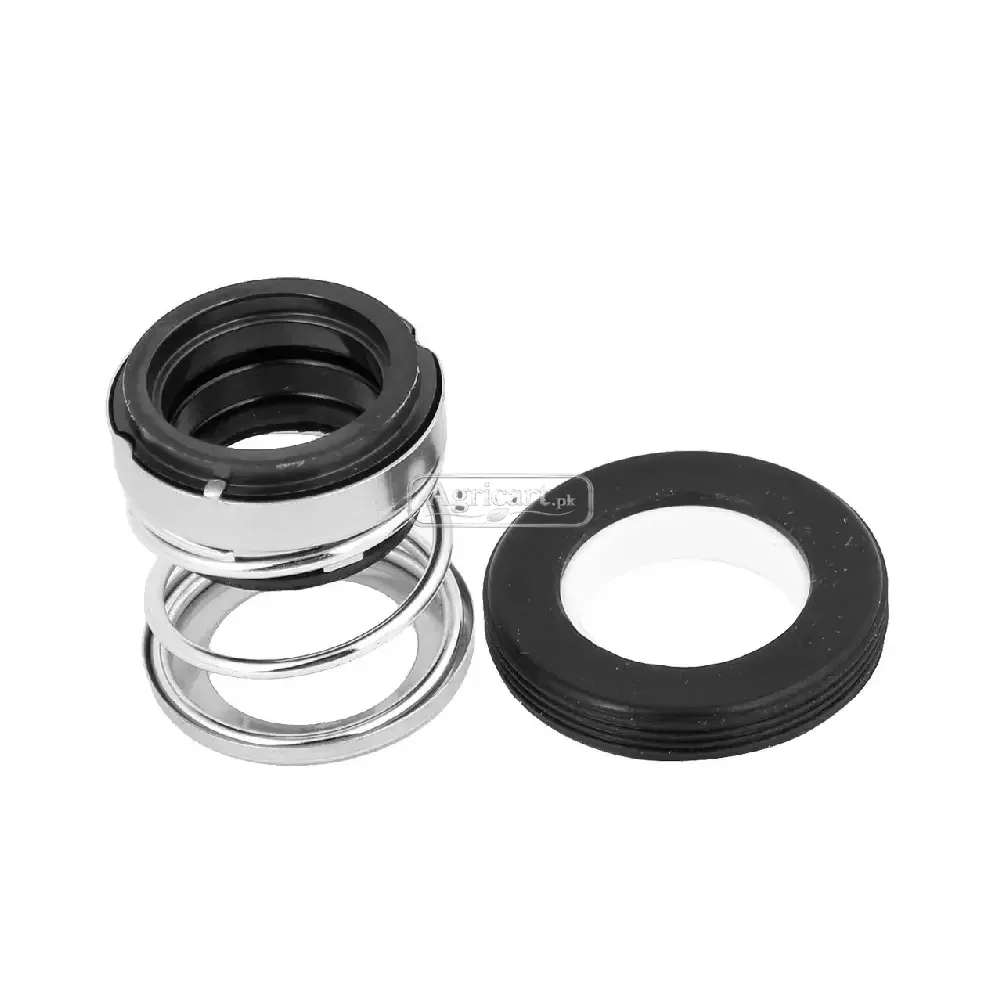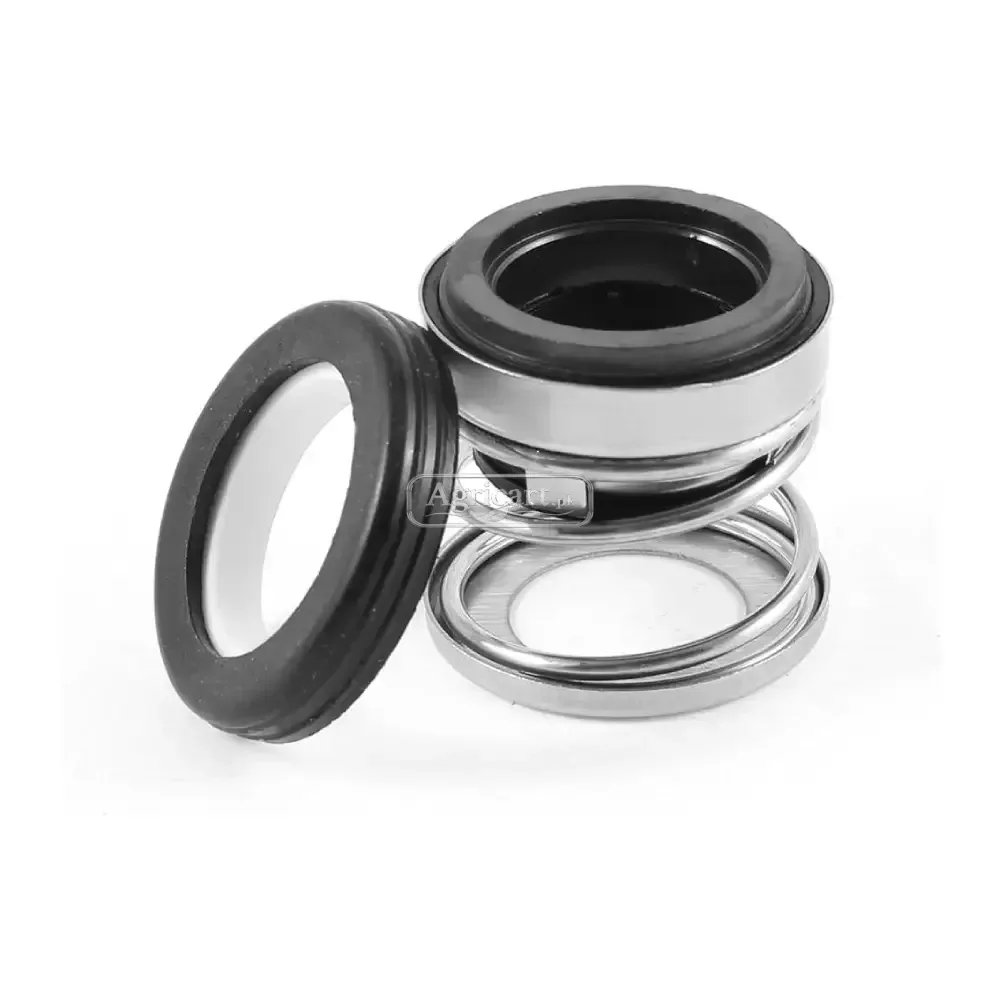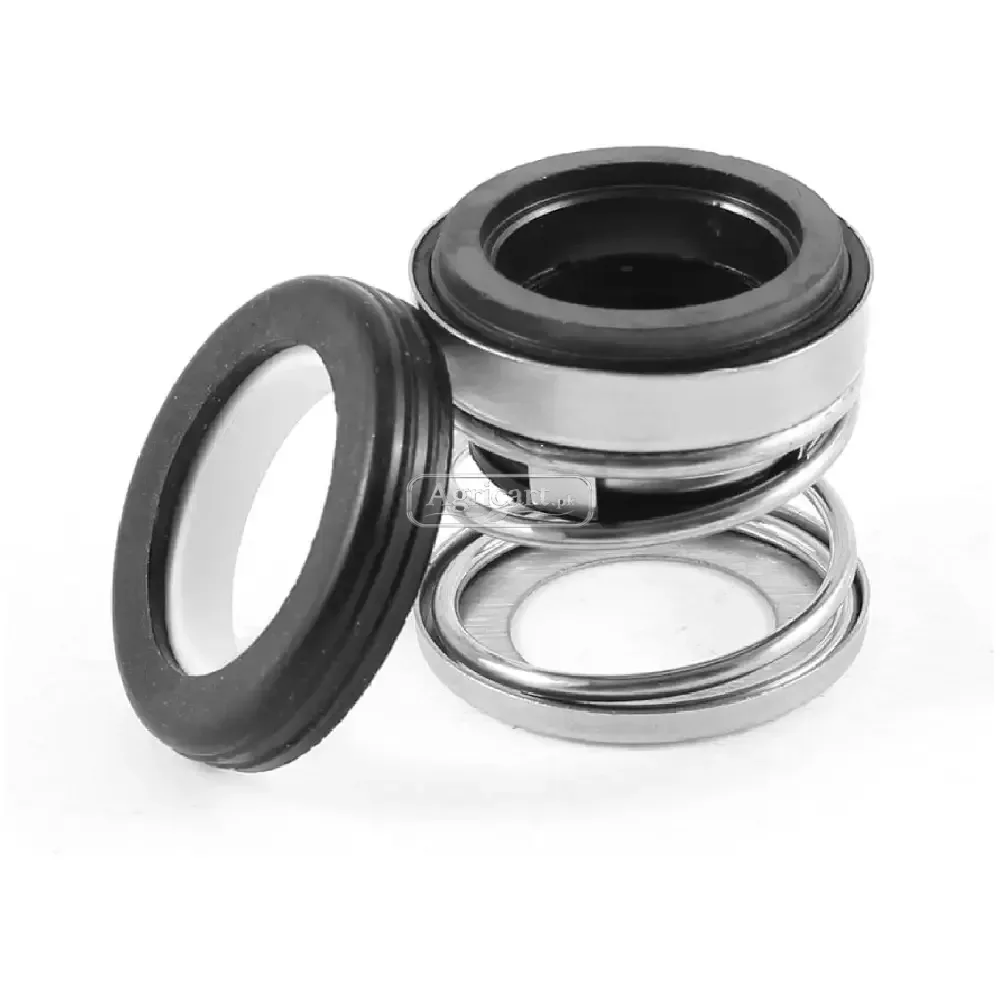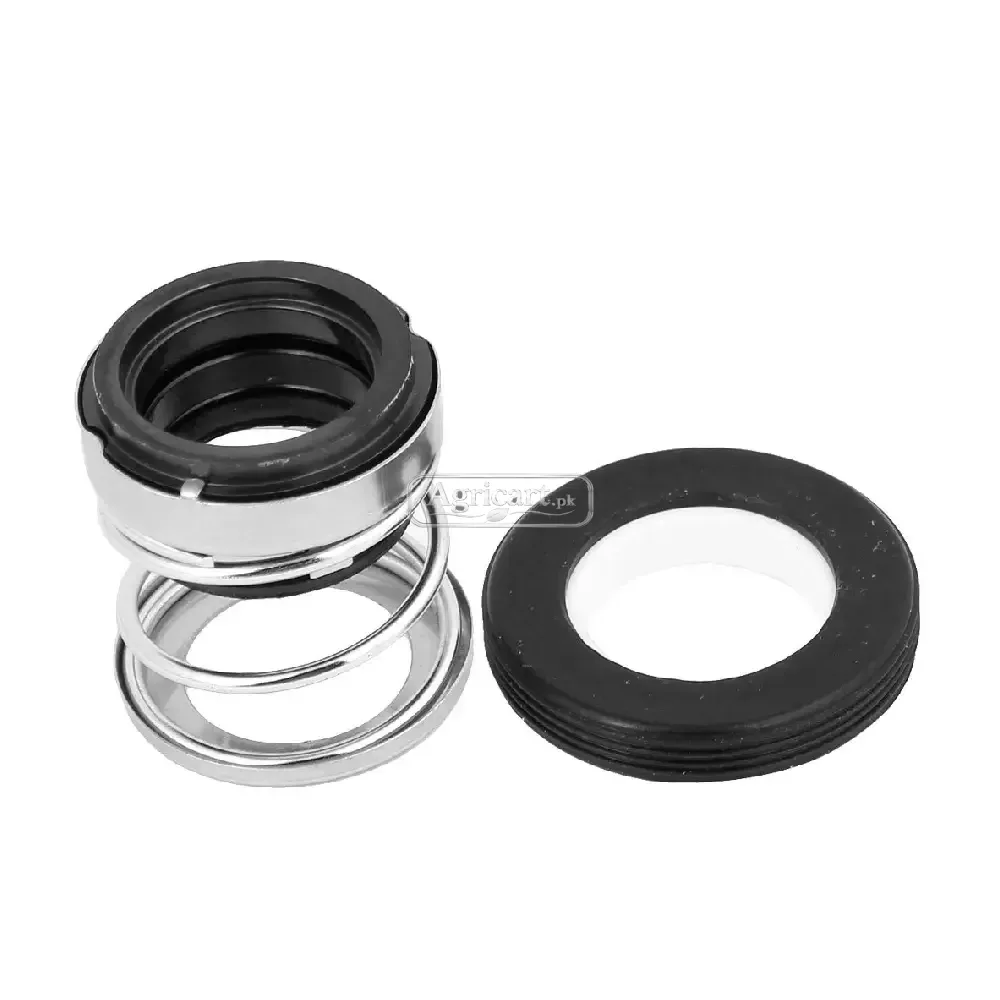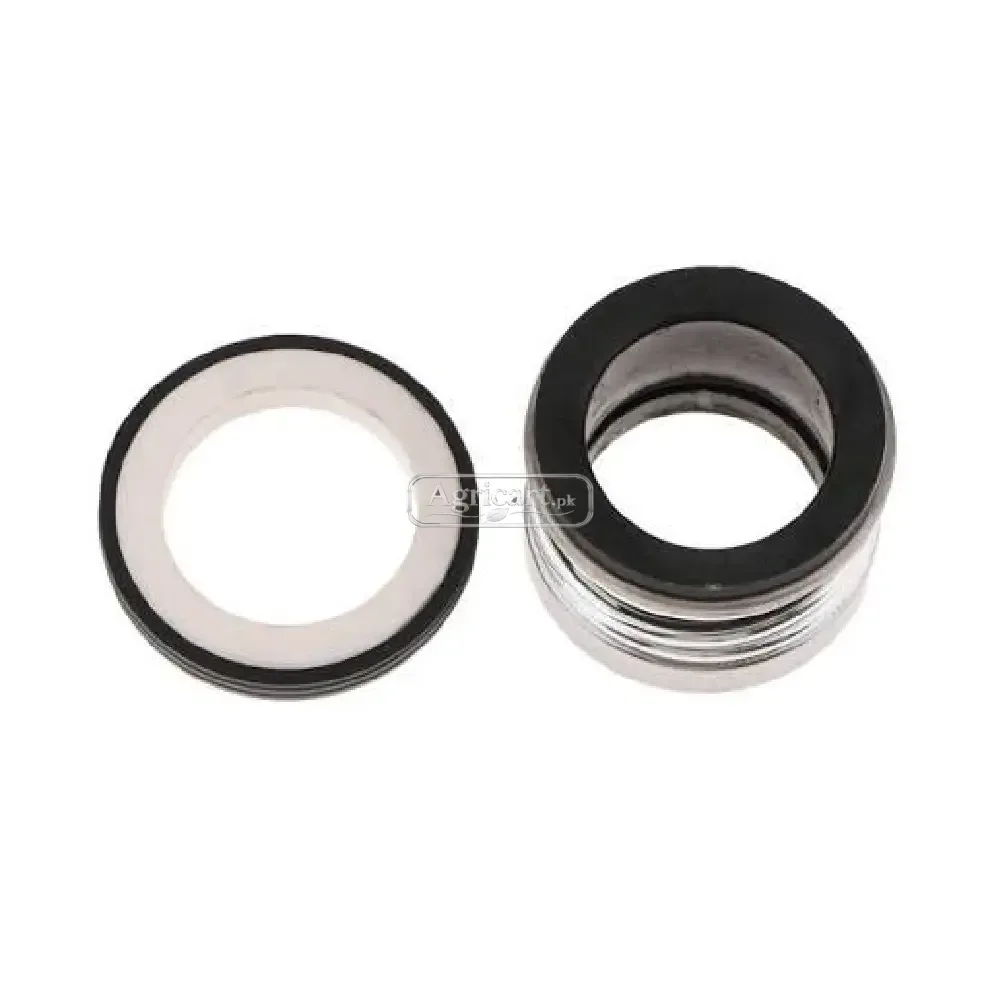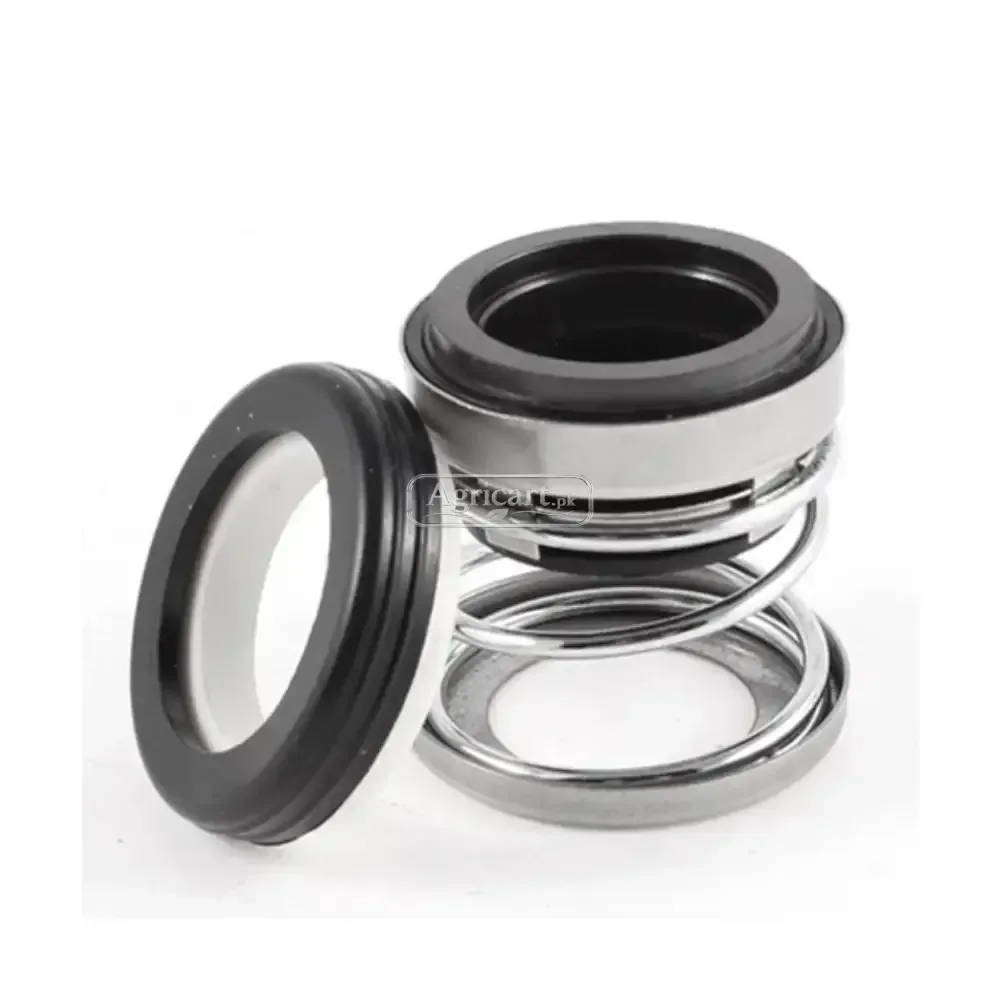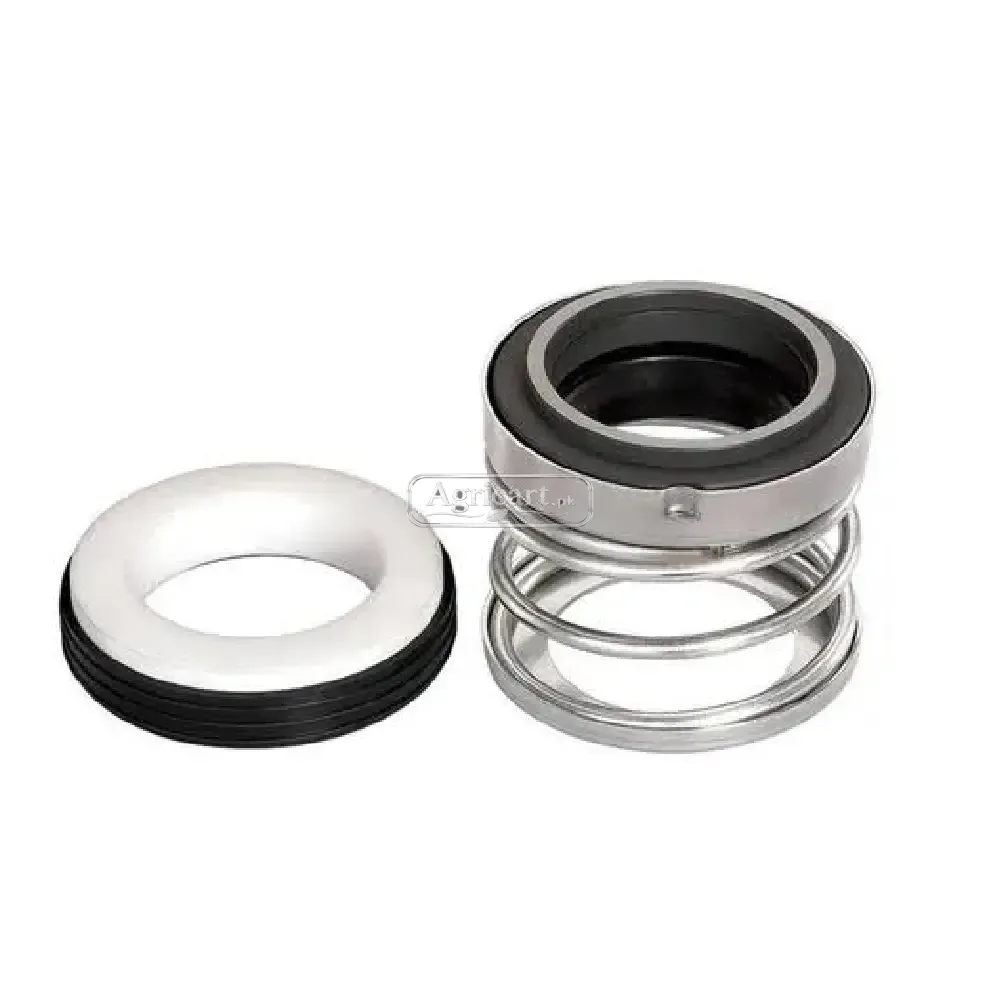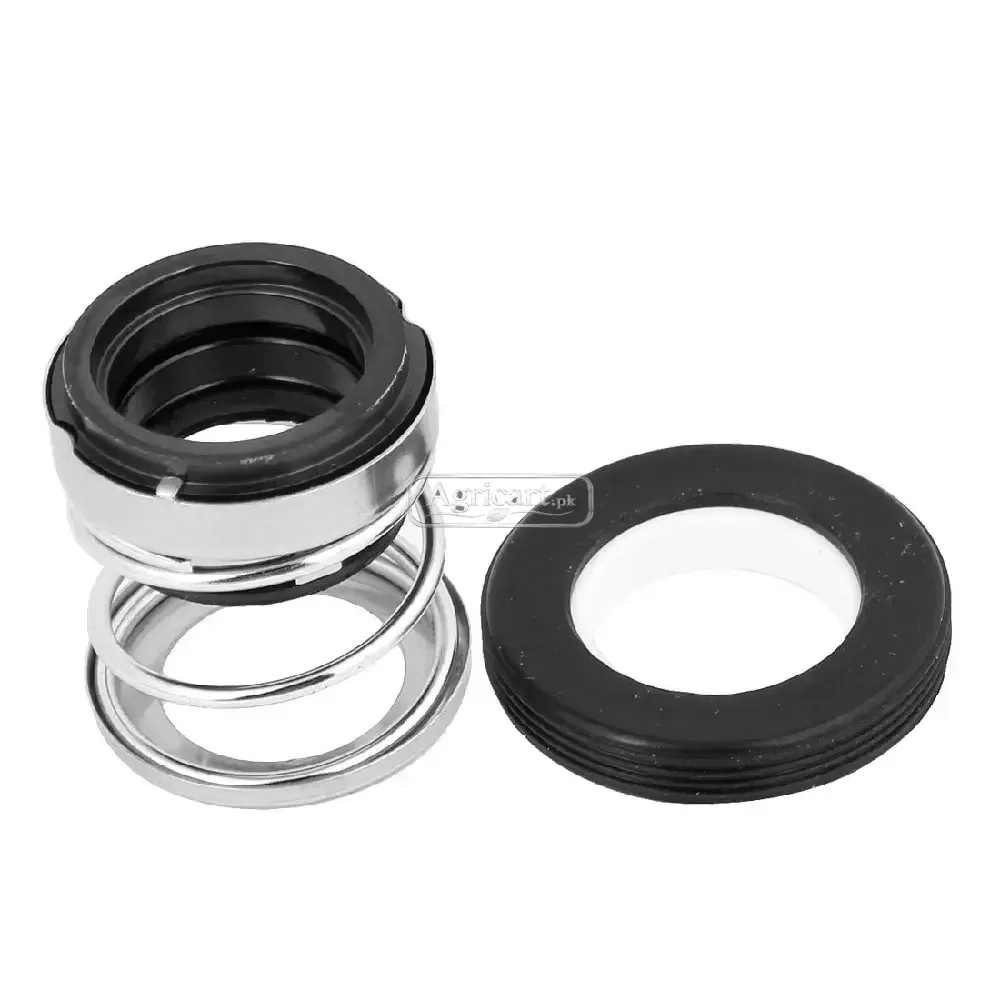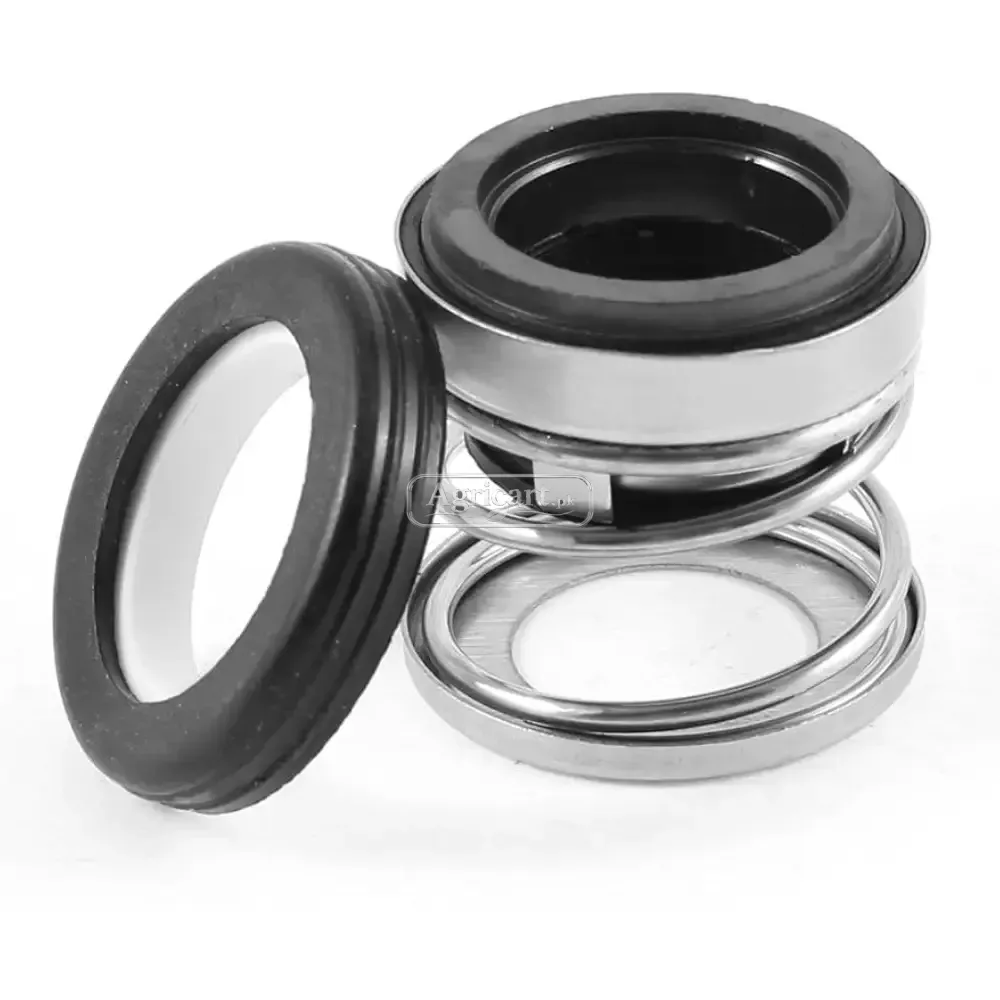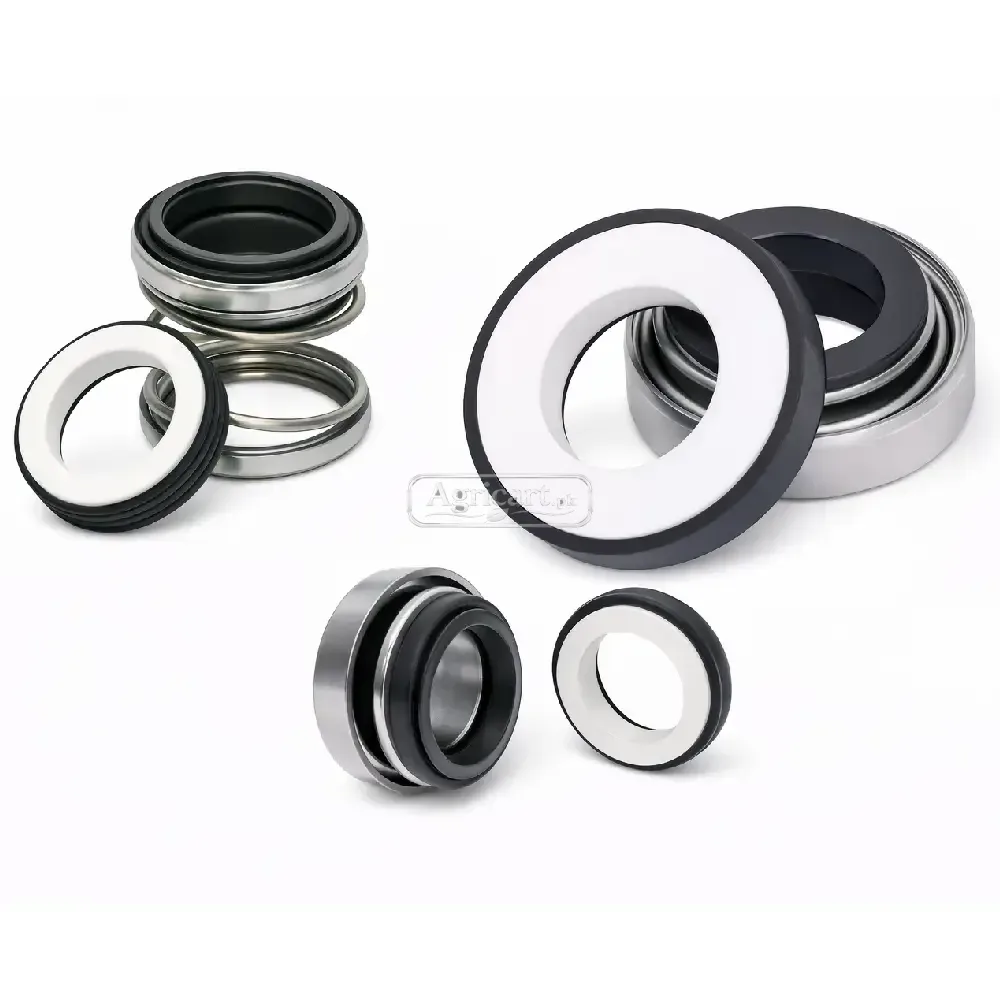
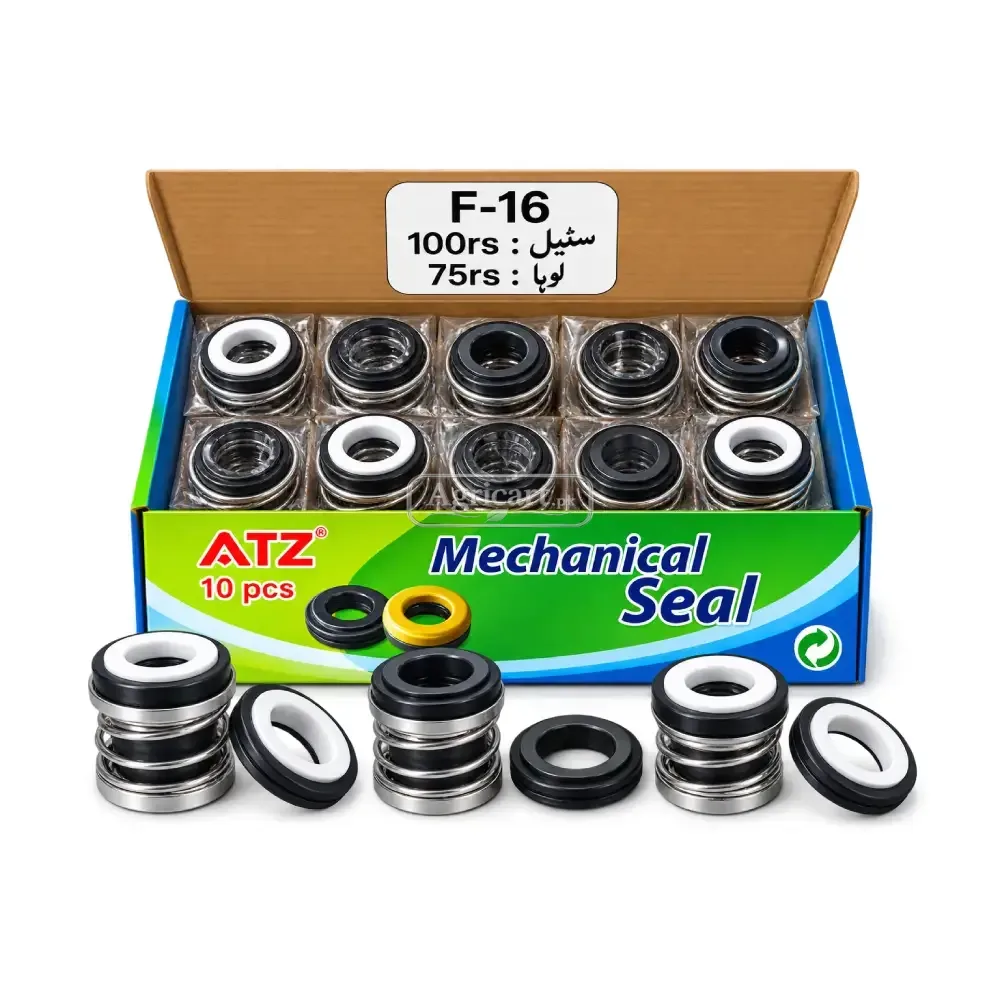
High-quality mechanical seals for agricultural pumps and machinery, ensuring leak-free operation and extended equipment life.
Mechanical Seal
Our range of mechanical seals is engineered for superior performance in demanding agricultural environments. Designed to prevent fluid leakage from rotating shafts in pumps, mixers, and other machinery, these seals are crucial for maintaining efficiency and preventing costly downtime. We offer a variety of materials and configurations to suit different applications and fluid types, ensuring optimal sealing solutions for your farm equipment.
Select the appropriate mechanical seal based on your pump or machinery model, shaft size, operating temperature, pressure, and fluid compatibility. Ensure proper installation by following manufacturer guidelines or consulting a qualified technician to prevent damage and ensure effective sealing. Regular inspection for wear and tear is recommended.
Prevents fluid leakage, extends pump and machinery lifespan, reduces maintenance costs, improves operational efficiency, and enhances safety by containing hazardous fluids.
Improper installation can lead to seal failure, fluid leakage, and equipment damage. Always use seals compatible with the fluid and operating conditions. Do not overtighten during installation.
When purchasing a mechanical seal, consider the following: 1. **Application:** What type of pump or machinery is it for? 2. **Shaft Diameter:** Measure the shaft size accurately. 3. **Operating Conditions:** Temperature, pressure, and speed. 4. **Fluid Type:** Ensure material compatibility with the fluid being sealed (e.g., water, chemicals, oil). 5. **Material Construction:** Common materials include ceramic, carbon, silicon carbide, and various elastomers. 6. **Type of Seal:** Single spring, multiple spring, cartridge, etc. If unsure, consult our experts for guidance.
Mechanical seals are generally classified under 'Mechanical seals' (HS Code 8484.20.00). Import duties and taxes may apply as per Pakistan Customs regulations. Ensure correct documentation for smooth clearance.
Importers should verify the specific material composition and application of the mechanical seals to ensure compliance with local standards and regulations. Proper labeling and packaging are essential for customs clearance.
Exporters must adhere to international shipping regulations and provide accurate product descriptions and HS codes. Ensure all necessary export licenses and documentation are in order for the destination country.
8484.20.00
- What is a mechanical seal used for?
- A mechanical seal is used to prevent fluid leakage between a rotating shaft and a stationary housing in pumps, mixers, and other rotating equipment, ensuring efficient operation and preventing contamination.
- How do I choose the right mechanical seal for my pump?
- To choose the right seal, consider the pump model, shaft diameter, operating temperature, pressure, speed, and the type of fluid being sealed. Our experts can assist you in selecting the correct seal.
- What are the common materials for mechanical seals?
- Common materials include ceramic, carbon, silicon carbide, tungsten carbide for the faces, and various elastomers like NBR, EPDM, and Viton for secondary seals, depending on the application and fluid compatibility.
- How often should mechanical seals be replaced?
- The lifespan of a mechanical seal varies depending on operating conditions, fluid type, and installation quality. Regular inspection for signs of wear or leakage is recommended, and replacement should occur at the first sign of failure.
- Can I install a mechanical seal myself?
- While some experienced individuals may install seals, it's generally recommended to have a qualified technician perform the installation. Proper installation is crucial for the seal's performance and longevity.