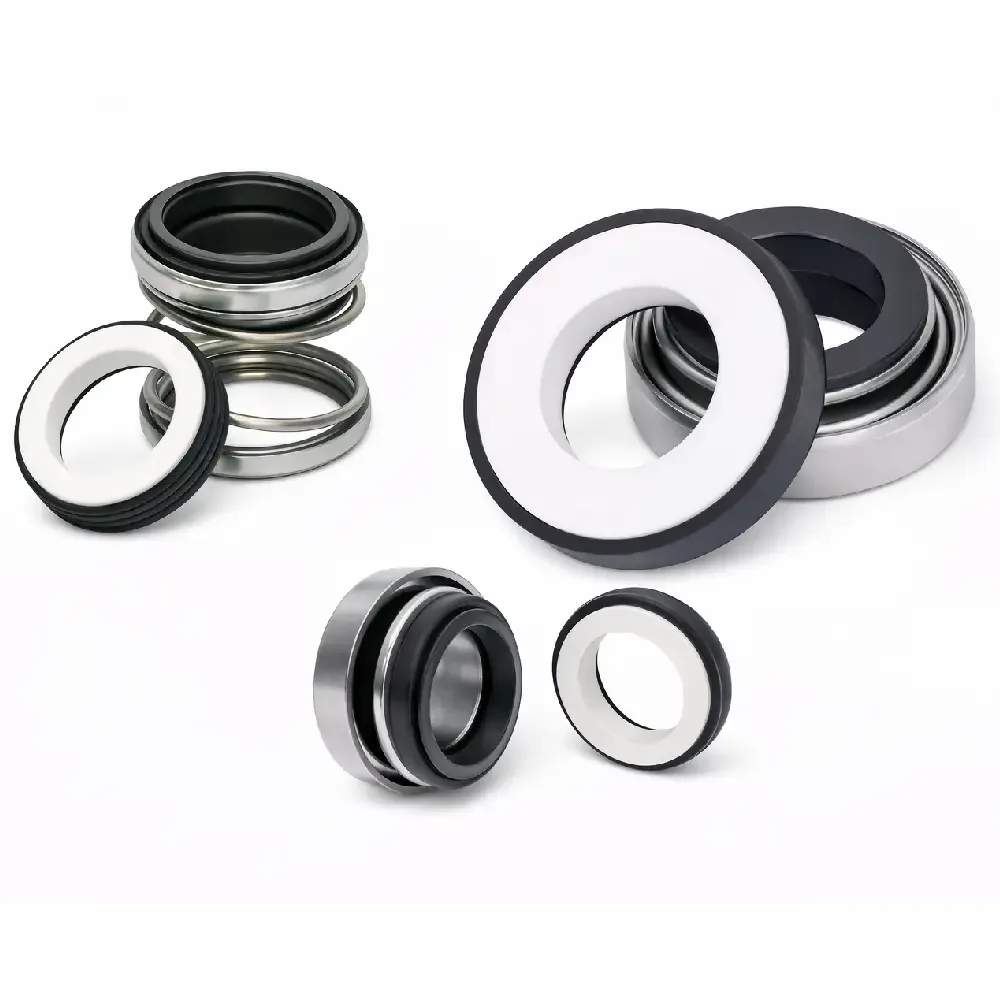
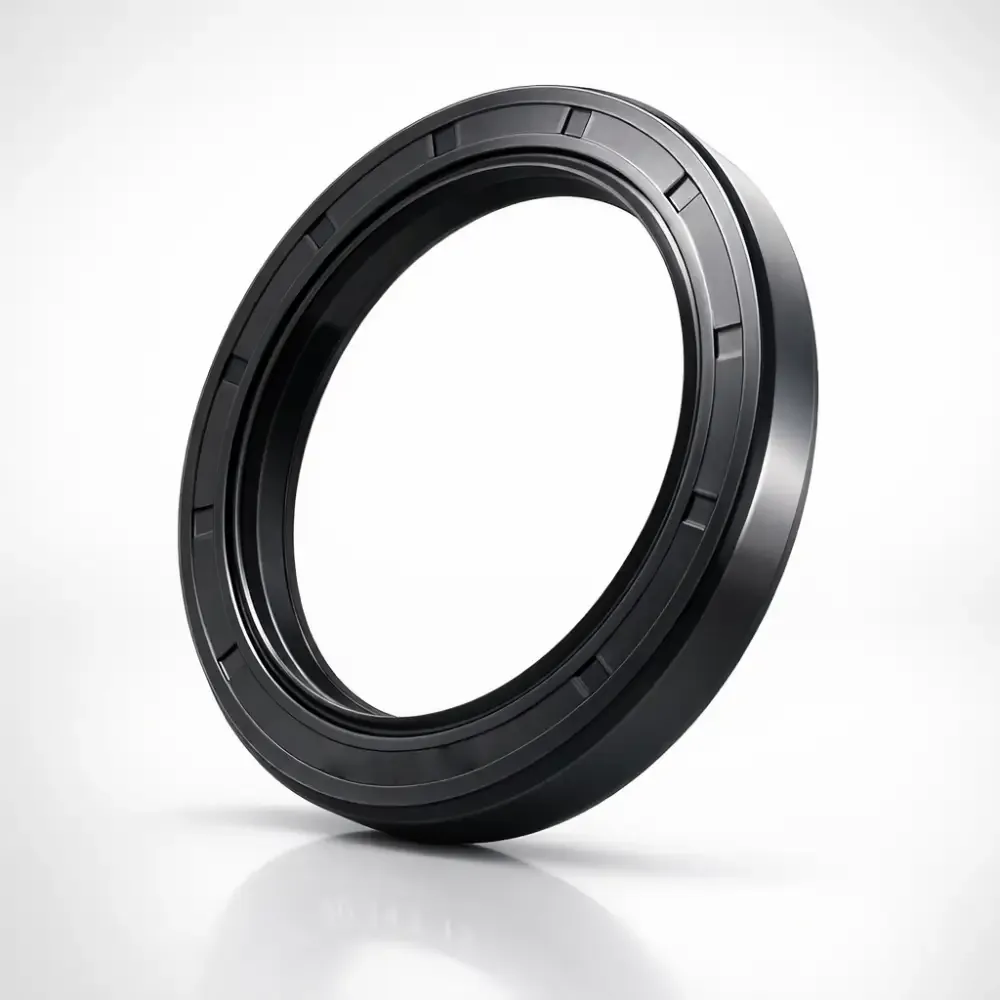
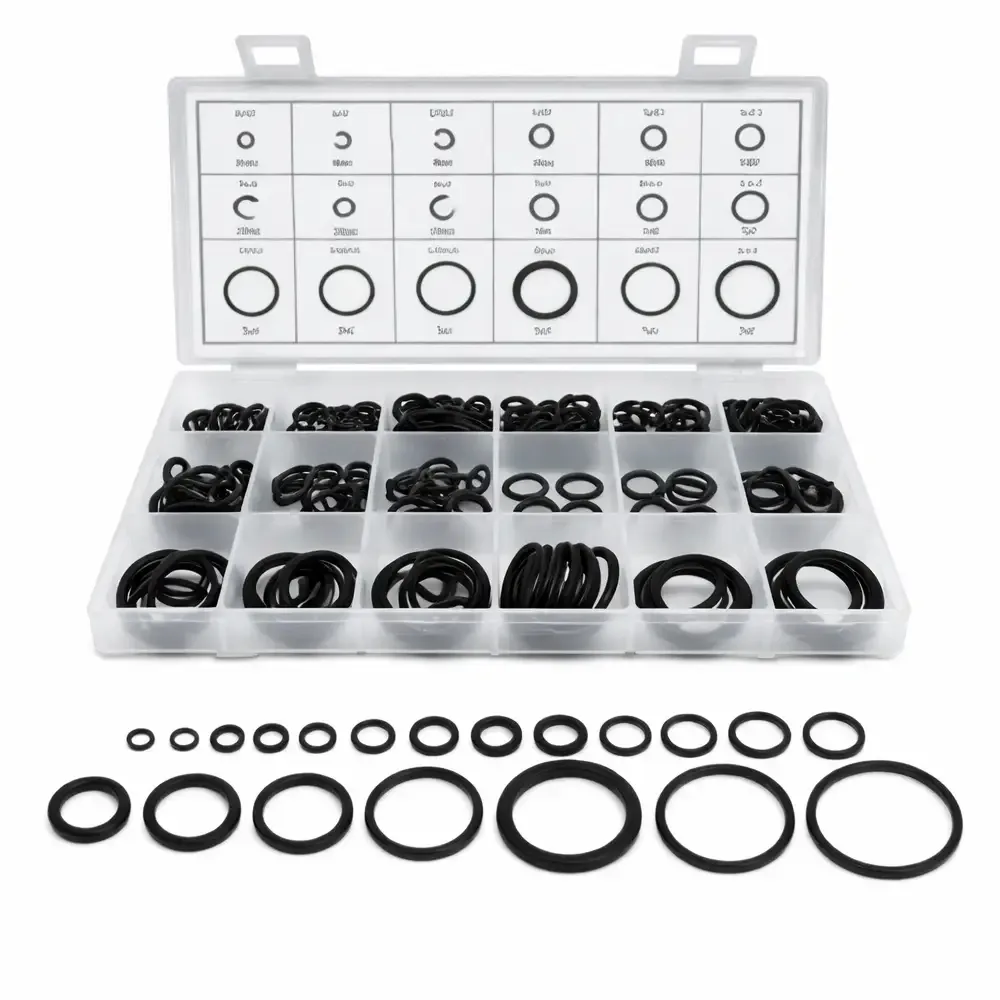
High-quality mechanical and oil seals for agricultural machinery, ensuring leak-free operation and extended equipment life. Essential for pumps, engines, and gearboxes.
Mechanical & Oil Seals
Subcategories
Agricart offers a comprehensive range of mechanical and oil seals designed specifically for the demanding environment of agricultural machinery. These critical components prevent the leakage of fluids (like oil, water, or grease) and protect internal parts from contaminants such as dust, dirt, and moisture. Our seals are manufactured from durable materials, providing excellent resistance to wear, temperature fluctuations, and chemical exposure, ensuring optimal performance and longevity for your tractors, pumps, sprayers, and other farm equipment. Investing in quality seals means less downtime, reduced maintenance costs, and improved operational efficiency for your agricultural operations.
Always refer to your equipment's service manual for specific seal specifications and installation instructions. Ensure surfaces are clean and free of debris before installation. Use appropriate tools to avoid damage during fitting. Replace seals proactively during routine maintenance to prevent unexpected failures.
Improper installation can lead to seal failure and equipment damage. Ensure correct size and material compatibility for your application. Do not reuse damaged or worn seals. Always handle with care to avoid nicks or scratches.
When selecting mechanical and oil seals, consider the specific application (e.g., engine, pump, gearbox), the type of fluid being sealed, operating temperature and pressure, shaft speed, and the dimensions (inner diameter, outer diameter, thickness). Consult your equipment's manual or an Agricart expert to ensure you choose the correct seal type and material for maximum durability and performance.
Mechanical seals and oil seals are classified under HS Code 8484.20.00. Proper documentation including origin, material composition, and intended use is required for customs clearance.
Importers should verify compliance with local import regulations and standards. Ensure accurate product descriptions and classifications to avoid delays. Taxes and duties will apply as per prevailing government policies.
Exporters must adhere to international shipping regulations and provide all necessary export documentation. Ensure packaging meets international standards for safe transit. Compliance with destination country's import requirements is crucial.
8484.20.00
- What is the difference between a mechanical seal and an oil seal?
- Mechanical seals are typically used in rotating equipment to prevent fluid leakage along a rotating shaft, often in high-pressure or high-temperature applications. Oil seals, also known as lip seals, are simpler and primarily used to retain lubricants (oil, grease) and exclude contaminants in lower pressure, less demanding applications.
- How do I choose the right size seal for my equipment?
- To choose the right size, you need to measure the inner diameter (shaft size), outer diameter (housing bore size), and the axial width (thickness) of the old seal or the housing. Always consult your equipment's service manual for precise specifications.
- What materials are these seals made from?
- Our seals are made from various durable materials including NBR (nitrile rubber), Viton (FKM), silicone, PTFE, and sometimes incorporate metal components like stainless steel for springs or housings. The choice of material depends on the application's specific requirements for temperature, chemical resistance, and pressure.
- How often should I replace mechanical and oil seals?
- The replacement frequency depends on the operating conditions, type of equipment, and the seal's material. It's generally recommended to inspect seals during routine maintenance and replace them if any signs of wear, cracking, or leakage are observed. Proactive replacement during major overhauls can prevent unexpected failures.
- Can I install these seals myself?
- While some simpler oil seals can be installed by experienced individuals, mechanical seals often require specialized tools and expertise for proper installation to ensure optimal performance and prevent premature failure. If you are unsure, it is always best to consult a professional mechanic or technician.