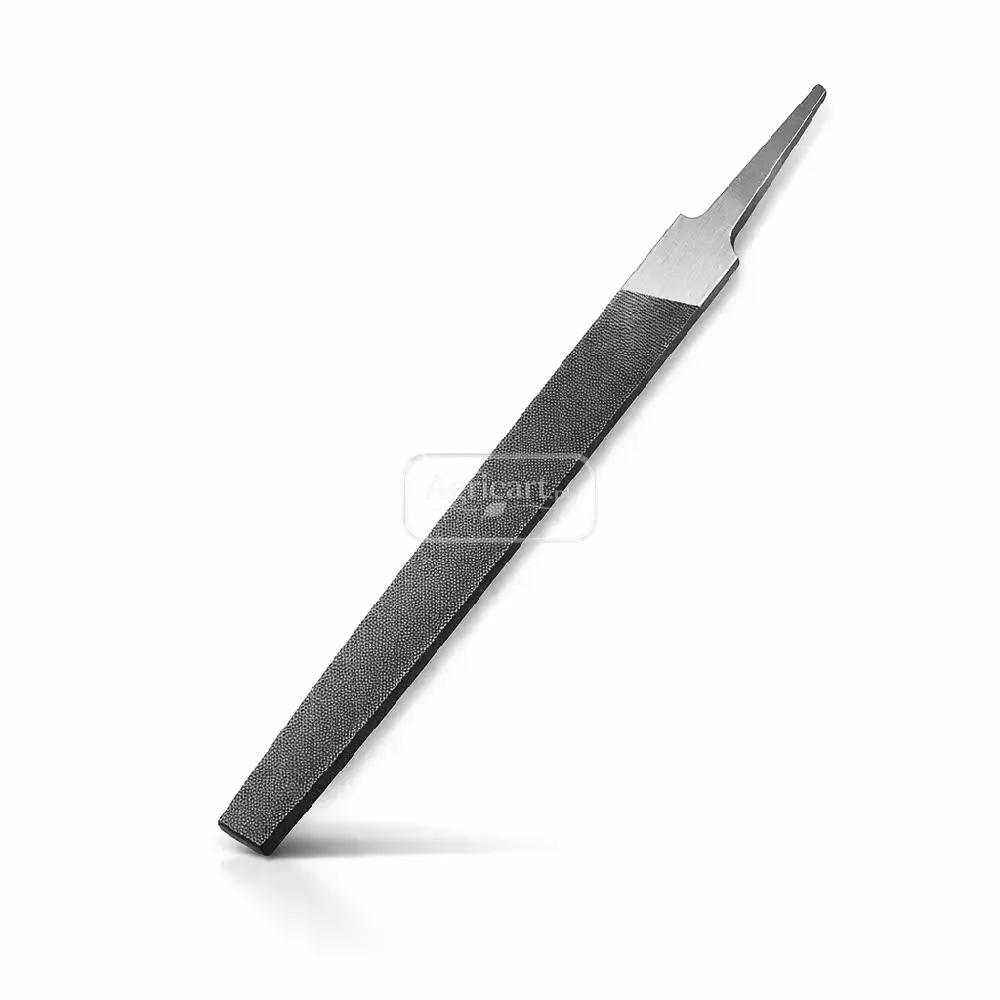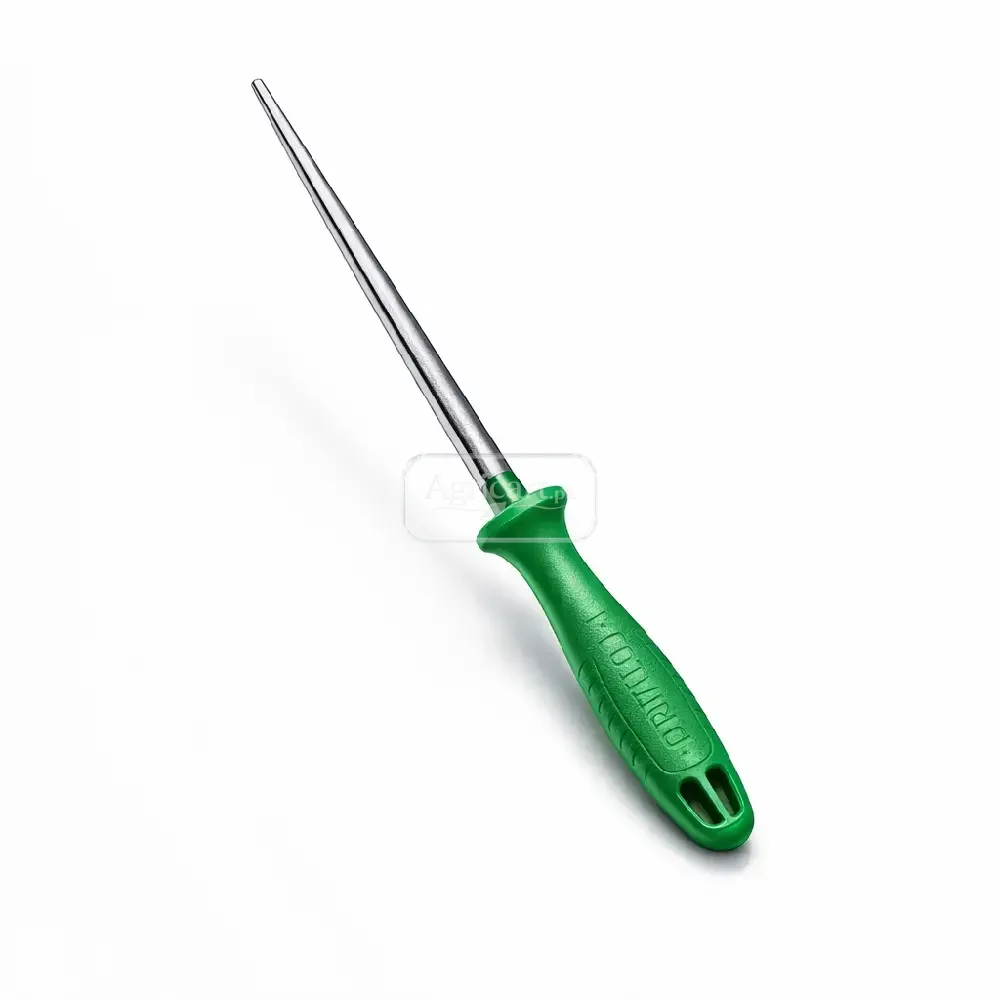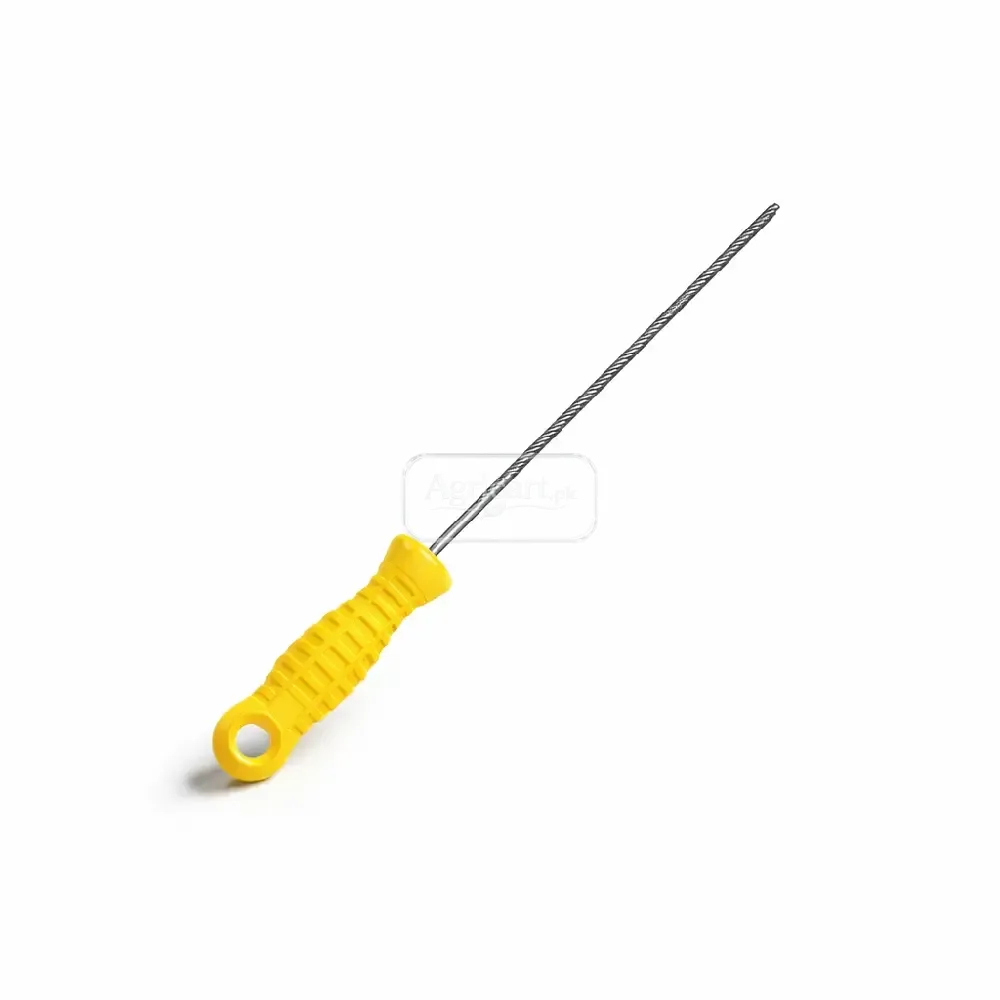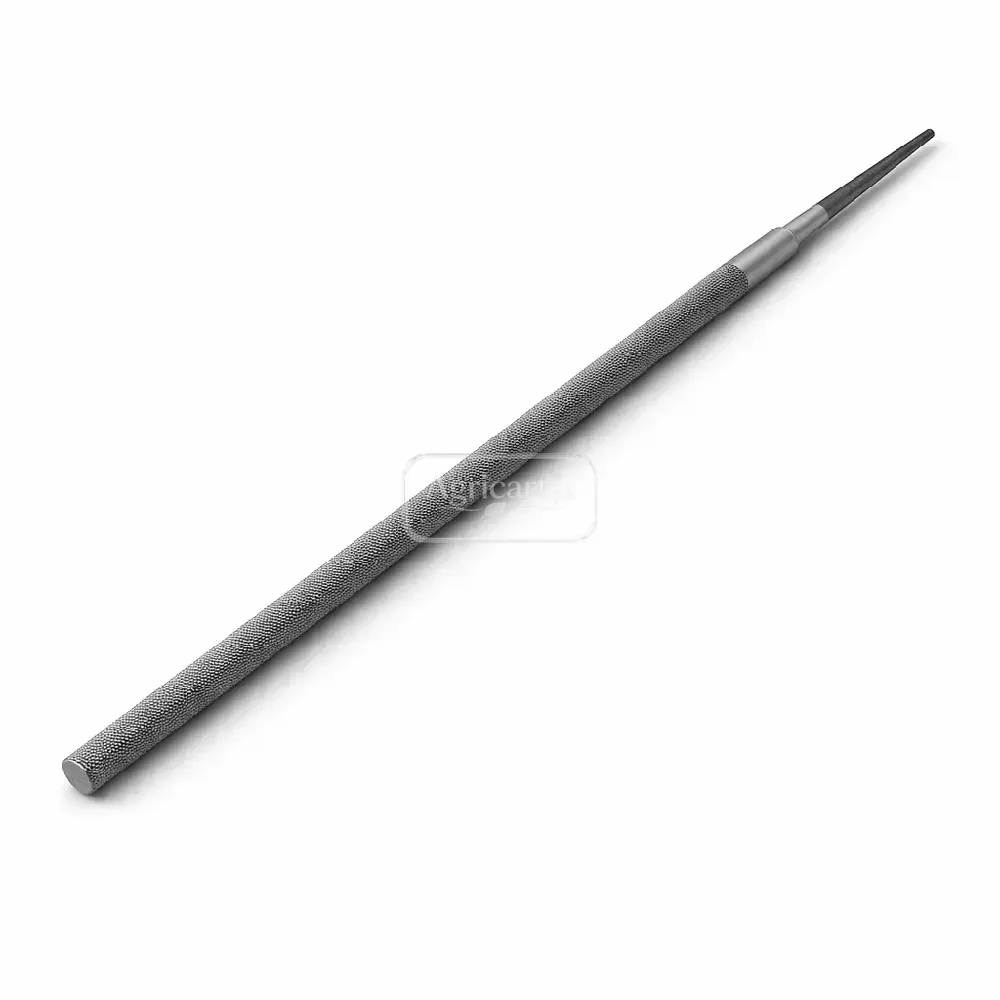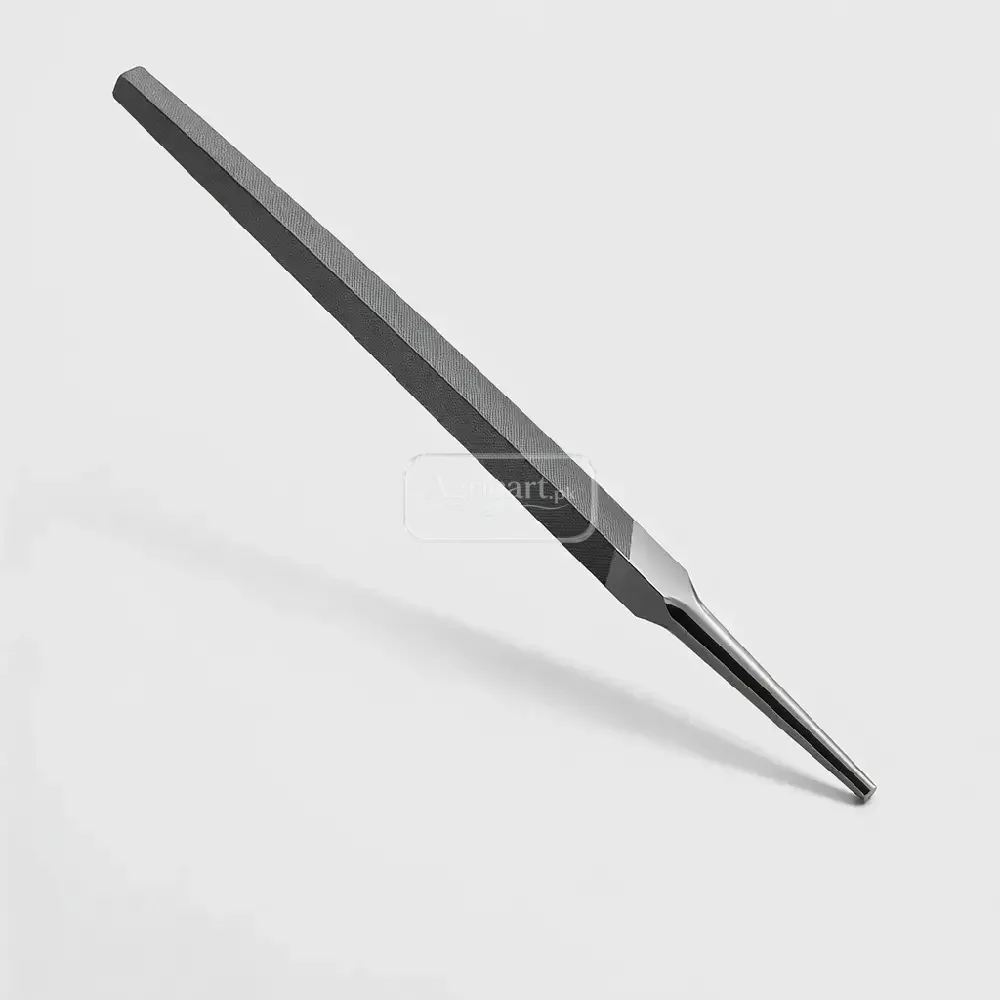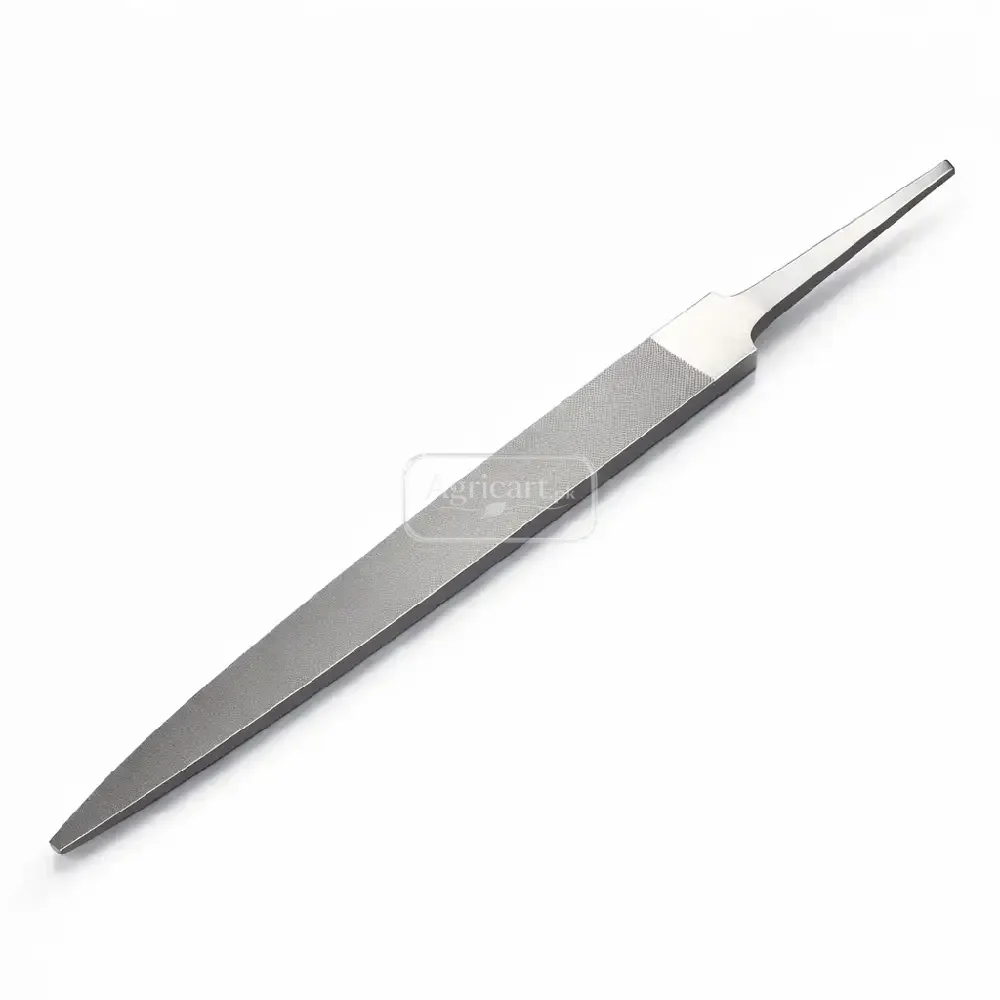
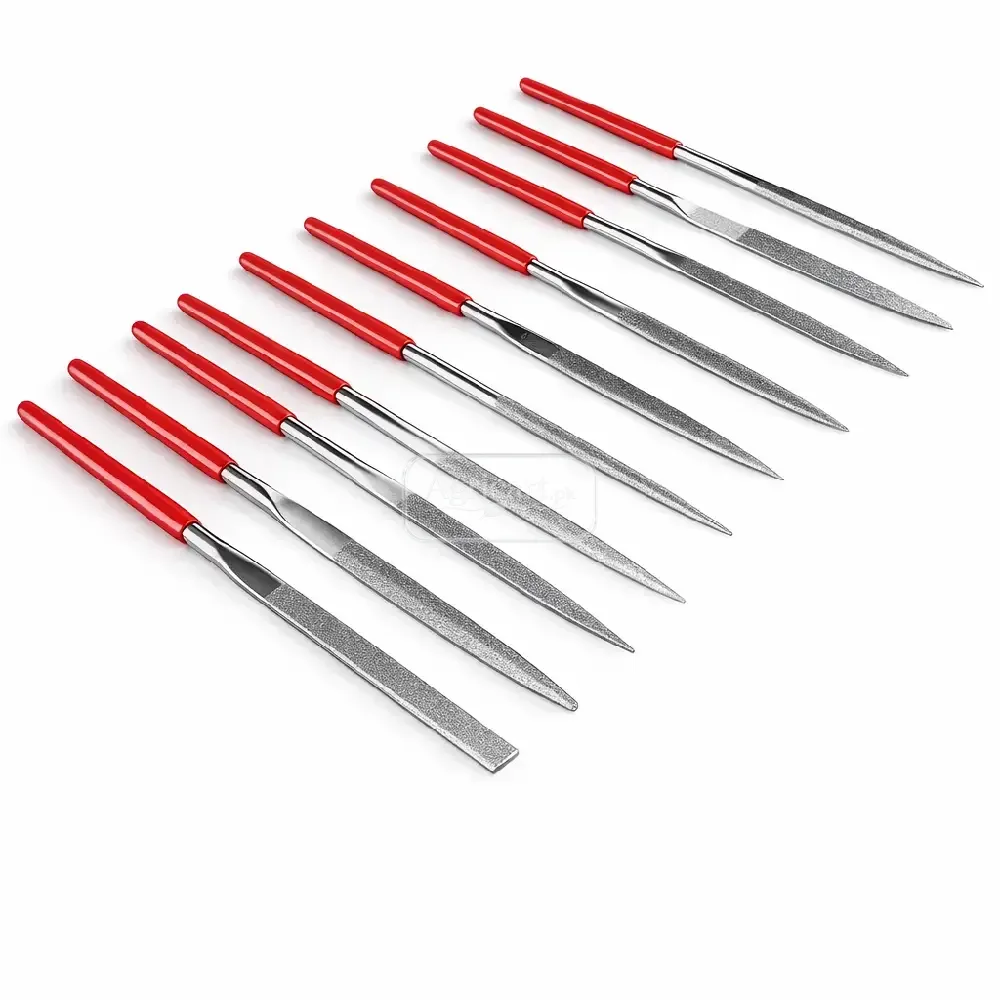
High-quality metal files for shaping, smoothing, and deburring various materials. Essential tools for workshops, agriculture, and DIY projects.
Metal File
Explore our comprehensive range of metal files, designed for precision and durability. Whether you're working with wood, metal, plastic, or other materials, our files offer superior performance for shaping, sharpening, deburring, and smoothing. Available in various cuts, shapes, and sizes, including flat, half-round, round, and triangular, to suit all your filing needs. Crafted from high-carbon steel, these files are heat-treated for exceptional hardness and longevity, ensuring a clean and efficient cut every time. Perfect for farmers, mechanics, carpenters, and hobbyists alike.
Always select the appropriate file type and cut for the material and task. Apply even pressure during filing strokes, moving the file away from your body. Clean the file teeth regularly with a file card or wire brush to prevent clogging and maintain efficiency. Wear appropriate safety gear, including gloves and eye protection, when using metal files. Store files in a dry place to prevent rust.
Efficient material removal, precise shaping and finishing, deburring for safety, sharpening of tools and blades, durable construction for long-lasting use, versatile for various materials and applications.
Do not use files as pry bars or hammers. Avoid dropping files, as this can damage the teeth. Do not apply excessive force, which can lead to breakage or injury. Keep files away from children. Always wear safety glasses to protect against flying debris.
Consider the material you'll be working with (e.g., metal, wood, plastic). Choose the correct file shape (flat for general work, round for holes, half-round for curves, triangular for angles). Select the appropriate cut (bastard for heavy removal, second-cut for general work, smooth for finishing). Look for files made from high-carbon steel for durability. Ergonomic handles are recommended for comfort during prolonged use. For agricultural use, consider larger, more robust files for heavy-duty tasks.
Standard customs procedures apply for the import of hand tools. Ensure proper documentation and classification for smooth clearance.
All metal files imported must meet international quality and safety standards. Proper packaging is essential to prevent damage during transit.
Exporters should ensure compliance with the import regulations of the destination country. Proper labeling and packaging are crucial for international shipping.
8203.10.00
- What are metal files used for?
- Metal files are used for shaping, smoothing, deburring, and sharpening various materials like metal, wood, and plastic. They are essential tools in workshops, for agricultural equipment maintenance, and DIY projects.
- What are the different types of file cuts?
- File cuts refer to the coarseness of the teeth. Common types include Bastard cut (coarse for heavy material removal), Second cut (medium for general work), and Smooth cut (fine for finishing and light removal).
- How do I choose the right file shape?
- The right file shape depends on the task. Flat files are for general flat surfaces, round files for enlarging holes, half-round files for curved surfaces, and triangular files for angles and corners.
- What safety precautions should I take when using metal files?
- Always wear safety glasses to protect your eyes from flying debris. Use gloves to protect your hands. Ensure the workpiece is securely clamped. Do not use files with damaged handles or as prying tools.
- How can I maintain my metal files?
- To maintain your files, regularly clean the teeth with a file card or wire brush to remove clogged material. Store them in a dry place to prevent rust, and avoid stacking them to protect the teeth from damage.